What is inflammation and why anti-inflammatory eating isn't about cutting things out
Inflammation has become a buzzword, yet it is rarely explained. An article on the difference between acute and chronic inflammation and why, when it comes to your plate, adding works better than cutting out.
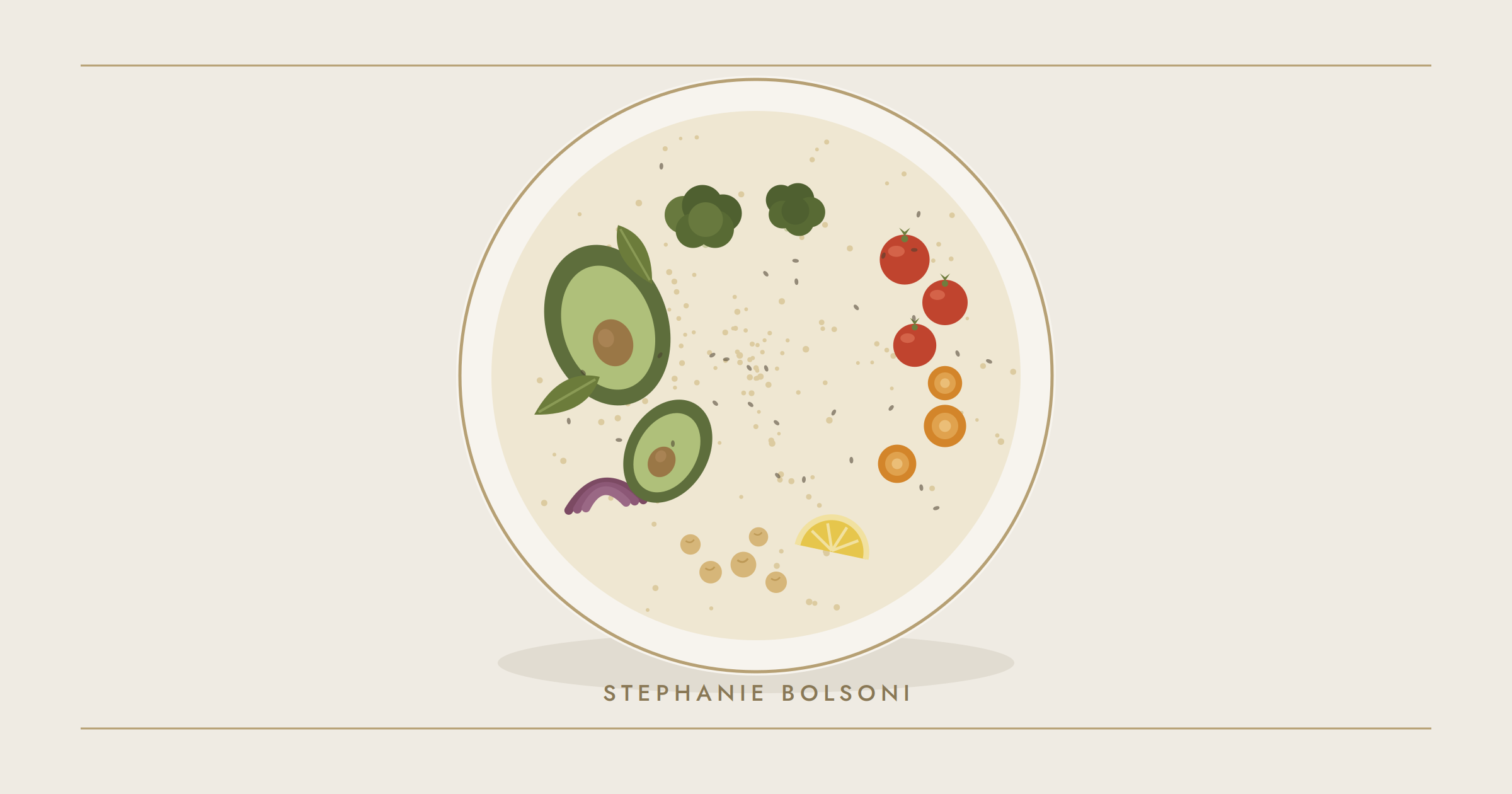
"Anti-inflammatory" is probably the most repeated and least explained word in nutrition today. It appears on menus, in capsules, in posts—almost always accompanied by a list of prohibitions. But before deciding what to put on or take off your plate, it is worth understanding what we are talking about. Because inflammation, in itself, is not a villain.
Inflammation is a bodily response and, most of the time, a good one. When you cut your finger and the area becomes hot, red, and swollen, that is the immune system working to protect you and repair the tissue. This is acute inflammation: intense, localised, and temporary. It starts, performs its function, and ends. Without it, a simple flu or cut would be dangerous.
What anti-inflammatory eating targets is something else: low-grade chronic inflammation. It is a silent, low-intensity state that persists over time and which science associates with the interplay of how we live, sleep, move, and eat over the years. It doesn't hurt, it doesn't swell, and it gives no obvious signal. And here is the part that almost no one mentions: it is common. Feeling more tired, heavier, or slower is not a medical diagnosis nor a cause for panic. It is, often, just a message that the pattern can be adjusted—and "adjusted" is the right word, not "fixed".
Understanding this changes the entire question. If the problem isn't a single villain but a pattern built over time, then hunting down and eliminating just one food achieves very little. What matters is the whole. And that is why anti-inflammatory eating works much better as an addition than a subtraction: the question stops being "what do I take out" and becomes "what do I add".
In practice, it starts with colour. Colourful fruits and vegetables carry polyphenols and other compounds associated with an anti-inflammatory effect, and each colour provides a different family of them—which is why variety matters more than quantity. Add to this oily fish, such as salmon and sardines, which are sources of omega-3, associated with lower inflammatory markers. For those who don't eat fish, plant sources such as flaxseed, chia, and walnuts help provide these same fats. And extra virgin olive oil, in daily use, follows the same logic and is one of the most studied ingredients in this context.
Much of this, in fact, is simple to maintain. Whole grains like oats are fibre working in your favour. Legumes such as lentils, chickpeas, and beans fall into the same group: fibre, colour, and satiety, and they work just as well in a plant-based diet as they do alongside any protein. Herbs and spices like turmeric and ginger complete the list, having long been associated with this same path.
And there is a part that isn't on the plate but counts just as much. That definition from the beginning—a pattern involving how we live, sleep, and move—wasn't a minor detail. Regular sleep and frequent movement are associated with the same markers that nutrition tries to balance. You don't need exhausting workouts or a perfect routine: sleeping at more stable times and moving your body consistently, in whatever way fits into your week, is part of the same whole. Food, sleep, and movement don't compete—they add up.
The guidelines written here are general. They serve as a direction for most people and are a good starting point, but they do not replace an individualised approach that considers your context, your health, and your routine. Even so, the principle remains for everyone: anti-inflammatory eating is not a perfect plate that you get right or wrong at every meal. It is a direction built gradually: more colour this week, an extra source of omega-3 the next, a little more sleep. Less about control, more about adding. And it is precisely because it is an addition, and not a restriction, that it fits into real life.